

Mastering Signage and Wayfinding Design: English Edition
Unlocking the Secrets of Signage and Wayfinding Design: A Comprehensive Guide
Ever walked into a mall or a new building and felt like you were in a maze? That's where signage and wayfinding design come into play. But what exactly is it, and why is it so crucial? Let's dive into the world of signage and wayfinding design, and find out how it can make your life easier, one sign at a time.
What is Signage and Wayfinding Design?
Signage is like the face of a business or a building. It's those eye-catching signs that tell you where you are, what services are available, and how to get around. Wayfinding, on the other hand, is the art of guiding people from one point to another. It's like the GPS for your physical space.
Why is it Important?
Think about it, have you ever been to a place where you couldn't find the bathroom or the exit? That's because the signage and wayfinding were lacking. Good design can prevent confusion, reduce stress, and even improve safety. Now, let's break down the key elements of effective signage and wayfinding design.
Key Elements of Effective Signage and Wayfinding Design
1. Clarity: Signs should be clear and easy to read. Avoid using too much jargon or complex language. Keep it simple, sweet, and to the point.
2. Consistency: Your signage should be consistent throughout the space. This means using the same fonts, colors, and styles. It's like having a uniform for your brand.
3. Visibility: Signs should be visible from a distance. Use bright colors and large fonts to make them stand out.
4. Legibility: Even if someone is walking fast or has poor eyesight, they should be able to read the signs. Use high-contrast colors and avoid using italics or cursive fonts.
5. Relevance: Signs should be relevant to the space. For example, a hospital should have signs for emergency exits, patient rooms, and restrooms.
Types of Signage
Now that we know the key elements, let's talk about the different types of signage you might encounter:
Directional Signs: These guide people to specific locations, like restrooms, exits, or departments.
Informational Signs: These provide information about the space, such as hours of operation, rules, or policies.
Decorative Signs: These are more for aesthetics and branding, like logos or artistic designs.
Warning Signs: These alert people to potential hazards, like wet floors or high voltage areas.
Wayfinding Strategies
Wayfinding isn't just about signs; it's about the entire experience. Here are some strategies to consider:
Map Integration: Provide maps at key locations to help people navigate the space.

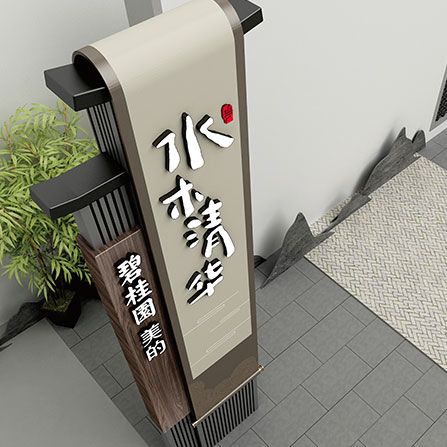
圖片由人和時代CRT標識設計集團提供Color Coding: Use color coding to differentiate between different areas or departments.
Landmarks: Use recognizable landmarks to help people orient themselves.
Touchpoints: Provide touchpoints, like kiosks or information desks, where people can get help.
Case Studies
Let's look at a couple of real-world examples where signage and wayfinding design made a big difference:
Example 1: A Large Retail Chain
This retail chain wanted to improve the customer experience in their stores. They redesigned their signage to be more consistent and user-friendly. As a result, customers reported feeling less stressed and more confident in navigating the store.
Example 2: A Hospital
This hospital implemented a comprehensive wayfinding system, including clear directional signs, maps, and touchpoints. Patients and visitors reported a significant decrease in confusion and stress, making their experience more positive.
Common Mistakes to Avoid
While we've covered a lot of ground, there are some common mistakes to avoid in signage and wayfinding design:
Overcomplicating: Avoid using too much information or too many signs. Keep it simple and straightforward.
Inconsistent Design: Make sure your signage is consistent throughout the space. Inconsistent design can be confusing and frustrating.
Lack of Accessibility: Ensure your signs are accessible to people with disabilities, like those who are visually impaired.
Conclusion
Signage and wayfinding design might seem like a small detail, but it can make a big difference in the user experience. By following these guidelines and avoiding common mistakes, you can create a space that is easy to navigate, stress-free, and enjoyable for everyone. So, the next time you're designing signage or wayfinding for a space, remember: it's all about making life easier, one sign at a time.

人和時代設計
品牌設計、VI設計、標識設計公司